

Key changes to the Energy Star program at-a-glance
Energy Star 3.2 is the latest version of the Energy Star program, focused on improving environmental performance and energy efficiency of new homes. With stricter requirements than previous versions, version 3.2 aims to align with the 2021 International Energy Conservation Code (IECC) standards:
- It is an extension of the program until December 31, 2032, encouraging builders to adopt these standards for a longer period.
- Homes that must have their energy performance measured and validated by a certified energy rater to ensure they meet the necessary criteria.
- Starting January 1, 2025, the Energy Star 3.1 requirements needed to attain the $2,500 per home tax credit has been increased to Energy Star 3.2 requirements.
- Starting January 1, 2024, to get the $5,000 per home credit, homes must meet the DOE Certified Zero Energy Ready Home Program Version 2 requirements. Previously the bar was set at Version 1.
- From 2025, mandatory HERS targets for homes will be more stringent, and an essential requirement will be that the envelope construction must meet or exceed the IECC 2021.
- Builders employing innovative solutions like the Rheia air distribution system may find it easier to meet these stringent requirements through improved HERS scores of their homes, thanks to the Rheia system’s design that brings ductwork into conditioned space.
- Energy Star models their Reference Design Home with ducts in the conditioned space. Builders who do not put ducts in the conditioned space have to find the HERS points elsewhere by other more costly means.
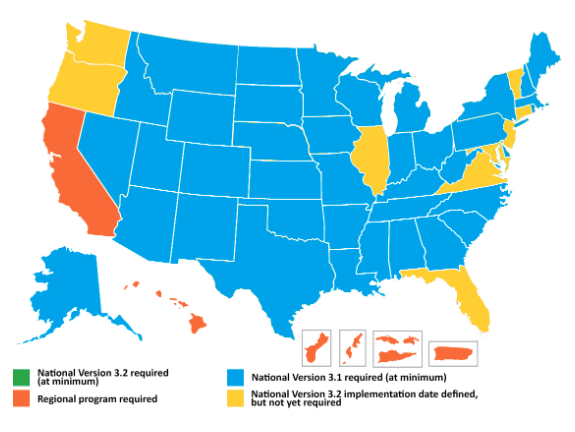
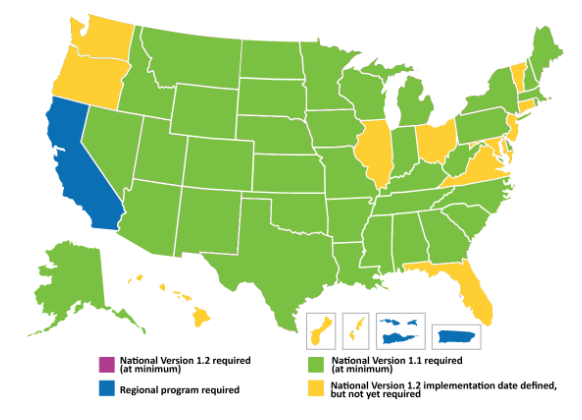
The bar has been raised
Energy Star 3.2 is a significant step in energy-efficient and sustainable building practices in the residential sector, offering environmental benefits and financial incentives to builders. It includes a series of updates for HVAC systems in residential new construction, focused on enhanced energy efficiency and performance. Here are the key points concerning HVAC requirements under Energy Star 3.2:
- Key Changes from Version 3.1 to 3.2: Adjustments from version 3.1 to 3.2 in the target HERS score, reduces the scoring range from 65-55 points down to 55-45 points. Also important is the mandatory thermal envelope minimums, now based on the IECC 2021 versus IECC 2009 per Energy Star 3.1.
- HVAC Design Report Verification: As with Energy Star Version 3.0/3.1, for a home to be certified under Energy Star Version 3.2, the rater must complete and retain a Rater Design Review Checklist verifying that windows and insulation meet the IECC requirements, the HVAC Design Report must be completed, and the specified equipment must fall within the required parameters. The rater is responsible for collecting one HVAC Design Report per system design and ensuring it meets specific criteria listed in the program.
- Thermal Envelope Efficiency: Energy Star 3.2 emphasizes the thermal envelope requirements of the 2021 International Energy Conservation Code (IECC). This mandates that homes achieve a minimum of 10% savings over the requirements of the 2012 IECC and a 20% improvement in states where older versions of the code are enforced.
- Tax Incentives and Timeline: Version 3.2 aims to ensure homes certified under Energy Star continue to deliver meaningful energy savings compared to non-certified homes, especially in states adopting the 2021 IECC. Builders can qualify for significant tax credits under the Section 45L New Energy Efficient Home Credit, with up to $2,500 per dwelling for homes meeting the requirements. All homes permitted after January 1, 2025, will need to comply with Energy Star Single Family New Home Version 3.2 to maintain eligibility for the incentives.
These updates reflect a push towards more energy-efficient and environmentally responsible residential construction practices, underscoring the importance of thermal performance and efficient HVAC system design. Builders and designers are encouraged to familiarize themselves with these requirements well ahead of the 2025 implementation date to ensure compliance and take full advantage of available tax credits and certifications.
Rheia worked closely with PEG, LLC an engineering, environmental, and energy efficiency services provider based in Reston, VA to assess the benefits of the Rheia system when complying with Energy Star 3.1 and 3.2. This article details the results of that collaboration and provides additional information on how to comply with Energy Star 3.2.


